
New Zealand, known in Māori as Aotearoa (“land of the long white cloud”), is an island country in the southwestern Pacific Ocean. It is famous for its stunning natural beauty, unique culture, and progressive history.
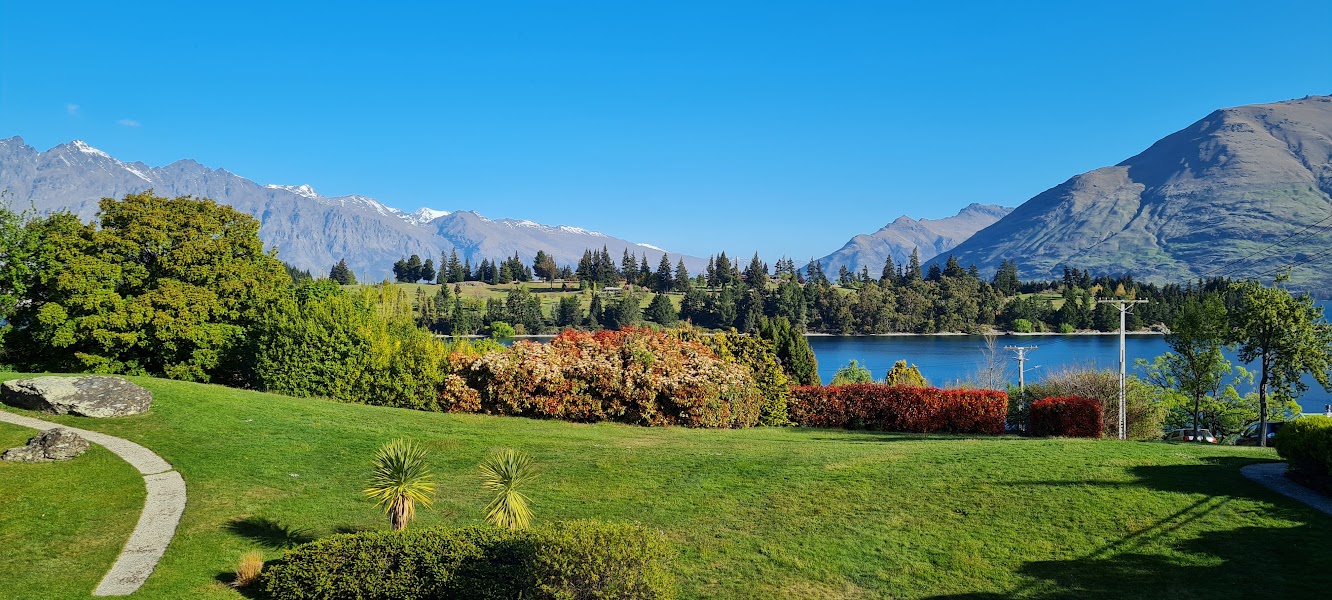
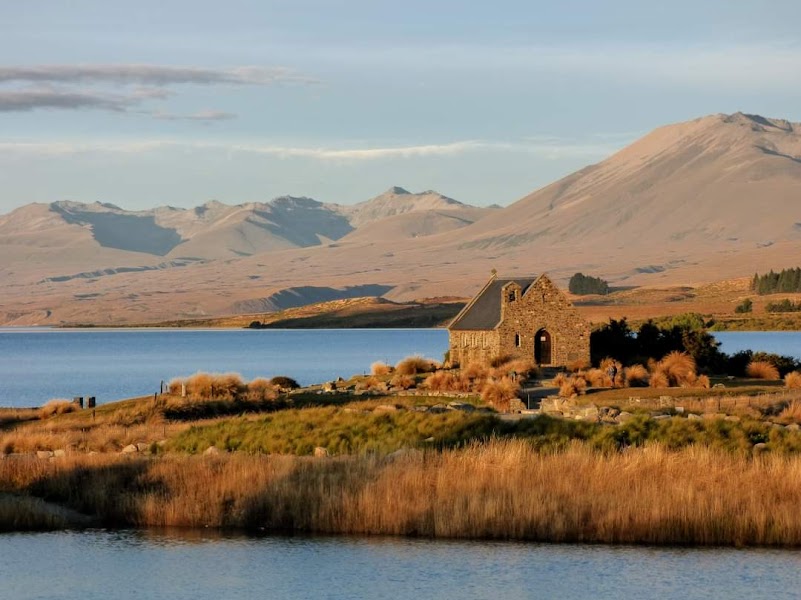
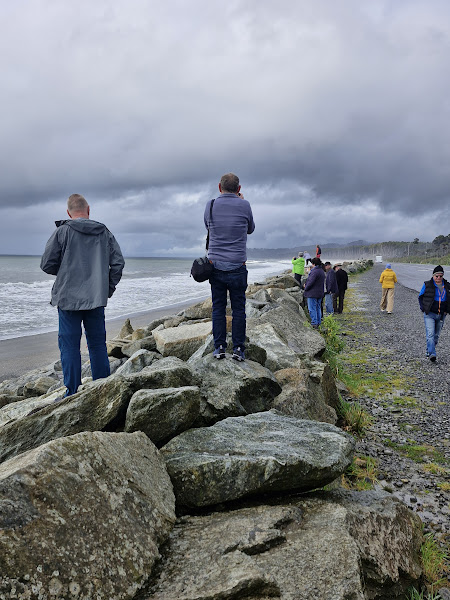
Tucked away in the South Pacific, New Zealand is a land of dramatic contrasts, where geologic power meets biological rarity. Its extreme isolation has fostered extraordinary unique wildlife, most notably its native birds—many of which are flightless—found nowhere else on earth. The country’s topography is equally breathtaking, featuring everything from pristine beaches and rolling green pastures to dramatic rocky shores and sharp, snowy peaks like Mount Cook, the highest summit at 12,316 feet (3,754 meters).
Despite this untamed beauty—which includes over 50 volcanoes—New Zealand is incredibly convenient, with most stunning recreational areas just a short drive from major cities. This accessibility enhances a vibrant, welcoming culture shaped by the rich heritage of Māori, European, Pacific Island, and Asian communities. Discover this unparalleled combination of convenience, culture, and unforgettable natural beauty.
Here are some key aspects of New Zealand:
Geography and Environment
- Location: Located southeast of Australia, New Zealand consists of two main landmasses—the North Island (Te Ika-a-Māui) and the South Island (Te Waipounamu)—and over 600 smaller islands.
- Landscape: The country’s geography is dramatically diverse, featuring:
- The Southern Alps (Kā Tiritiri o te Moana), a mountain range on the South Island with the highest peak, Aoraki / Mount Cook.
- Volcanic plateaus, geysers, and hot springs, particularly on the North Island (e.g., Rotorua).
- Glaciers (like Franz Josef and Fox), fjords (e.g., Milford Sound), vast plains, and extensive coastlines.
- Biodiversity: Due to its long isolation, New Zealand has unique flora and fauna. The iconic kiwi (a flightless bird and national symbol), the silver fern (another national symbol), and ancient kauri trees are notable examples.
- Capital and Largest City: The capital is Wellington (the world’s southernmost capital), and the largest urban area is Auckland (“The City of Sails”).
History and Culture
- Māori Culture: The Māori are the indigenous Polynesian people who settled the islands between about 1280 and 1350 CE. Their culture is a fundamental part of the national identity, including:
- Te Reo Māori: One of New Zealand’s three official languages (along with English and New Zealand Sign Language).
- Haka: A traditional posture dance or challenge, made famous globally by the All Blacks national rugby team.
- Marae: The traditional communal or sacred meeting grounds and buildings.
- Hāngī: A traditional method of cooking food in an earth oven.
- European Settlement: Dutch explorer Abel Tasman was the first European to sight New Zealand in 1642. British explorer James Cook later mapped the coastline. The Treaty of Waitangi was signed in 1840 between the British Crown and many Māori chiefs, regarded as New Zealand’s founding document.
- “Kiwi”: The term “Kiwi” is an affectionate nickname for New Zealanders, derived from the national bird. It’s also the name of the fruit (kiwifruit) and the bird.
Notable Facts and Achievements
- Universal Suffrage: New Zealand was the first self-governing country in the world to grant all women the right to vote in parliamentary elections (1893).
- Film Location: It is internationally famous as the primary filming location for the The Lord of the Rings and The Hobbit trilogies, leading to the nickname “Middle-earth.”
- Rugby: Rugby union is the national sport, and the All Blacks are one of the most successful international teams.
- Agriculture: New Zealand is known for its extensive agriculture, particularly dairy and sheep farming (it has historically had a very high sheep-to-human ratio).
- Adventure Tourism: Activities like bungee jumping (commercialized in New Zealand) and various adventure sports are a major draw.